
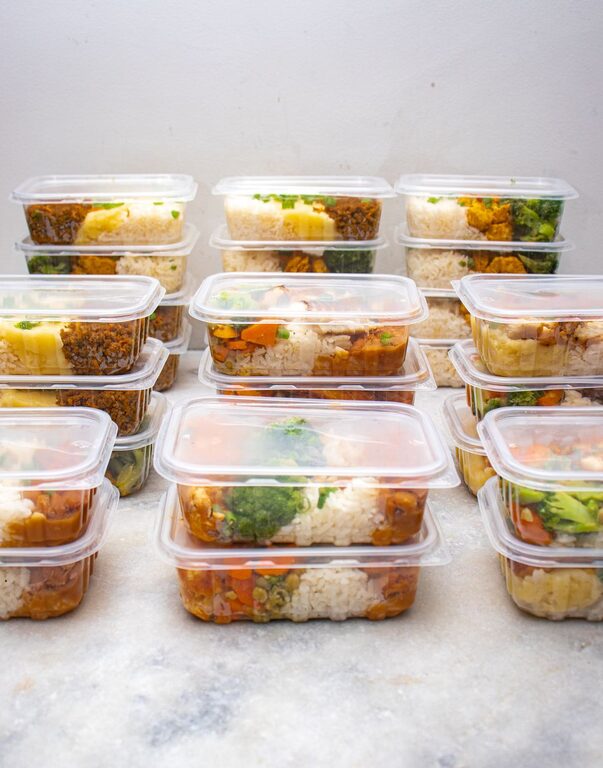
Planning balanced meals doesn’t have to feel overwhelming or stressful. With a few easy strategies and a bit of preparation, you can create meals that nourish your body and fit into your busy life. Whether you’re cooking for yourself, your family, or both, this guide will help you plan balanced meals without the usual hassle.
What Is a Balanced Meal?
Before diving into meal planning, it’s helpful to understand what a balanced meal looks like. A balanced meal typically contains:
– Protein: Helps build and repair tissues (e.g., lean meats, beans, tofu, eggs)
– Carbohydrates: Provide energy (e.g., whole grains, fruits, vegetables)
– Healthy Fats: Support brain function and cell growth (e.g., nuts, seeds, olive oil)
– Fiber: Aids digestion and keeps you full (found in fruits, vegetables, whole grains)
– Vitamins and Minerals: Essential for overall health (abundant in colorful vegetables and fruits)
Combining these components in appropriate portions supports energy levels, keeps hunger at bay, and promotes well-being.
Why Plan Meals?
Meal planning can seem like extra work, but it offers many benefits:
– Saves time and reduces last-minute decisions
– Helps maintain a healthy diet
– Minimizes food waste and saves money
– Reduces stress around mealtime
With these advantages in mind, let’s explore how to plan meals in a way that fits your lifestyle.
Steps to Plan Balanced Meals Without Stress
1. Start Simple
You don’t need complicated recipes or gourmet ingredients. Begin with familiar foods and build your meal plans around what you and your family enjoy.
– Choose one protein source per meal
– Add at least two types of vegetables or fruits
– Include whole grains or starchy vegetables
– Add a small amount of healthy fat
For example, grilled chicken, roasted broccoli, quinoa, and a drizzle of olive oil make a simple, balanced dinner.
2. Use a Weekly Meal Template
Create a basic template that you can repeat weekly or adjust slightly. This saves time deciding what to cook every day.
Example template:
– Monday: Meatless Monday (beans, rice, veggies)
– Tuesday: Chicken and vegetables
– Wednesday: Fish and salad
– Thursday: Stir-fry with tofu and brown rice
– Friday: Pasta with tomato sauce and veggies
– Saturday: Homemade pizza with veggies and lean protein
– Sunday: Leftovers or a simple soup
Adjust this based on preferences, schedules, and seasonal ingredients.
3. Plan Your Grocery List
Once your meals are set, write a grocery list organized by section (produce, dairy, pantry, etc.). This keeps shopping efficient and ensures you have everything on hand.
4. Prep Ahead When Possible
Batch-cook grains, chop vegetables, or prepare sauces in advance. This can cut down cooking time during busy days.
Example prep ideas:
– Cook a large batch of brown rice on Sunday
– Wash and chop salad veggies ahead of time
– Make homemade salad dressings to have ready
5. Keep Healthy Staples Stocked
Having nutritious pantry staples makes balanced meal planning easier. Some essentials include:
– Canned beans and lentils
– Whole grains like quinoa, brown rice, or oats
– Frozen vegetables and fruits
– Nuts and seeds
– Healthy oils such as olive or avocado oil
6. Embrace Leftovers and Repurposing
Don’t be afraid to use leftovers. They can be transformed into new meals with minimal effort.
Examples:
– Use leftover roasted vegetables in a wrap or salad
– Mix cooked chicken with beans and salsa for tacos
– Add leftover grains to soups or stir-fries
7. Stay Flexible and Listen to Your Body
Balanced eating isn’t about perfection. Allow yourself room to adjust plans if needed, and pay attention to hunger and fullness cues.
Tips to Reduce Mealtime Stress
– Set Realistic Expectations: Not every meal will be gourmet. Simple and nutritious is perfectly fine.
– Get the Family Involved: Share meal planning and cooking duties.
– Limit Distractions: Focus on mealtime without screens to enjoy food and company.
– Rotate Favorite Recipes: Keep a list of your go-to meals to make planning faster.
– Use Time-Saving Tools: Slow cookers, pressure cookers, and food processors can speed things up.
Sample Balanced Meal Ideas
– Breakfast: Greek yogurt with berries, nuts, and a drizzle of honey
– Lunch: Whole grain wrap with turkey, spinach, hummus, and sliced veggies
– Dinner: Baked salmon with sweet potato and steamed green beans
– Snack: Apple slices with almond butter
Final Thoughts
Meal planning doesn’t have to be complicated or stressful. By understanding what makes a balanced meal, using simple templates, prepping ahead, and keeping your kitchen stocked with healthy staples, you can enjoy nutritious meals with ease. Remember, the goal is to make balanced eating sustainable and enjoyable, so focus on what works best for you and your lifestyle.
With these tips, you’ll spend less time worrying about what to eat and more time enjoying your meals and the energy they provide. Happy meal planning!